
大家好,关于上海景观的资料很多朋友都还不太明白,今天小编就来为大家分享关于上海景物介绍的知识,希望对各位有所帮助!
本文目录
用英语写的上海著名景点详细资料(有中文翻译)
依次为:
The Oriantal Pearl's Tower东方明珠(Oriantal Pearl Broadcasting& TV Tower东方明珠广播电视塔)
Yuyuan Garden豫园
Shanghai Science& Technology Museum上海科技馆
Jing'an Temple静安寺
Jinmao Tower金茂大厦
Jinjiang Park锦江乐园
The Bund外滩
Town's God Temple城隍庙
Longhua Temple& Pagoda龙华寺与塔
Huangpu River Cruise黄浦江游览
First National Congress, Communist Party of China(C.P.C.)中国共产党第一次全国代表大会会址
Former Office of The Shanghai Delegation to The C.P.C.中国共产党代表团驻沪办事处(周公馆)
Guyi Garden古漪园,嘉定南翔
Jade Buddha Temple玉佛寺
Shanghai Botanical Garden上海植物园
Shanghai Museum上海博物馆
The New People's Square新人民广场
Square Pagaoda& Screeb Wall方塔和照壁,松江城区
Shanghai Urban Planning Exhibition Center(SUPEC)上海城市规划展示馆
Shanghai Grand Theatre上海大剧院
Shanghai Century Park世纪公园
Shanghai Sheshan National Holiday Resort上海佘山国家旅游度假区
Shanghai DAGUANYUAN上海大观园,青浦商塌
Jing'an Temple(Chinese:静安寺; pinyin: Jìng'ānsì; literally"Temple of Peace and Tranquility") is a Buddhist temple on West Nanjing Road, in Jing'an District, Shanghai, China.
The first temple was built in 247 AD, at the time of the Kingdom of Wu, during the Three Kingdoms period. Originally located beside Suzhou Creek, it was relocated to its current site in 1216 during the Song Dynasty. The current temple was rebuilt in the Qing Dynasty. During the Cultural Revolution, it was converted into a plastics factory. It was converted back to an active temple following reconstruction in 1983, and completely renovated in late 2025.
The Longhua Temple(Chinese:龙华寺; pinyin: Lónghúa Sì, literally"Lustre of the Dragon Temple") is a Buddhist Temple dedicated to the Maitreya Buddha in Shanghai Municipality, China. Although most of the present-day buildings date from later reconstructions, the temple preserves the architectural design of a Song Dynasty monastery of the Buddhist Chan sect. It is the largest, most authentic and complete ancient temple complex in the city of Shanghai.
鲁迅公园,原称虹口公园,位于上海东江湾路146号。清光绪二十二年(1896年),上海公共租界工部局在界外的北四川路底购得农田237.288亩,在此圈地筹建万国商团打靶场,由英国园艺设计师,根据英国格拉斯哥体育公园模式,建成“虹口娱乐场”。1905年改建为虹口体育游戏场和打靶场。1922年改名为“虹口公园”。
虹口公园开了上海乃至中国现代体育运动的风气之先。作为大型综合性体育公园,园内共有1个九孔高尔夫球场,75片草地网球场,8片硬地网球场,3片足球场,5片草地滚球场,还有曲棍球篮球、棒球、田径等场地。根据工部局统计,民国24年(1935年),租界外侨总共才3.8万人,而仅在虹口公园一处直接参加体育活动的就达86103人次,在虹口公园打高尔夫还要排队。
共青森林公园(GongQing Forest Park)位于上海市东北部杨浦区军工路2000号,东面濒临黄浦江。共青森林公园原名共青苗圃,1986年更名为共青森林公园。公园总占地面积为1965亩,其中对外开放的绿地面积1870.6亩。
共青森林公园是以森林为主要景观的特色公园,共种植200余种树木,总数达30多万株。公园分为南北两园,北园占地1631亩称为共青森林公园,南园占地239.6亩称为万竹园。南北园风格各异,北园着重森林景色,有丘陵湖泊草地,南园则小桥流水一派南国风光。除观景之外,游人也可在园内骑马,烧烤和垂钓,成为节假日旅游的好去处。
公园本来是黄浦江边的滩涂沼泽,1956年上海市政府疏浚河道开垦荒地后辟为苗圃,1958年当时的团中央书记胡耀邦同志也曾带领青年支援者在此植树造林。
Shanghai Attractions
Shanghai, as a metropolis, has so many attractive scenic spots, which has become one of the important reasons for visiting.
The Bund:
The Bund is a waterfront and the most famous landmark in Shanghai, it represents the old time and the new days of Shanghai.
The Bund is from an Anglo Indian term meaning the muddy embankment on the waterfront, it helps to create the colonial feel and provides a feeling of space.
It starts from the Baidu Bridge, which is at the connecting point of the Huangpu River and the Suzhou Creek, to the East Jinling Road and winds a 1500 meters(less than one mile) length.
At the west shore of the Huangpu River, the Oriental Pearl TV Tower can be seen on the opposite side so as the Jin Mao Tower.
At the north end of the Bund and just over the Garden Bridge and Suzhou Creek, formerly it was the British embassy. Also here is a large and atmospheric blue painted building which is the Russian Embassy, sitting on the bank of the river. In colonial times, the Bridge was guarded by Japanese and British sentries, making the boundaries of territory.
On the west side of the Bund tower, there are various buildings of different architectural styles including Gothic, baroque, Romanesque, Classicism and the Renaissance. The combination creates a unique boulevard, which resembles the Liverpool Docks and 1920s New York.
The Bund is worth visiting if you go to Shanghai. In the evening, you can go to the Bund with your friends, to enjoy the beautiful scenery of the Bund. While couples can wander along the bank waterfront, holding hands to experience the wonderful moment.
Yuyuan Garden:
Yuyuan garden is situated in the southwestern side of the city, not far from the Bund. Yuyuan Garden, a place of peace and comfort in the heart of bustling Shanghai, it is the largest of Shanghai's ancient gardens with architectural styles of the Ming and Qing Dynasties.
There are more than 40 scenic spots scattered throughout the garden, which is divided into six parts by five boundary walls. The six scenic areas include the Grand Rockery- the most renowned sight in southeastern China, the Ten Thousand-Flower Pavilion, the Hall of Heralding Spring, the Hall of Jade Magnificence, the Inner Garden, and the Lotus Pool.
Yuyuan began as a private garden created by Pan Yunyuan, who spent almost 20 years- and all of his savings- to build a garden in order to please his parents in their old age.
Due to the decline of Pan's family after Pan Yuduan's death, Yuyuan gradually fell into disuse. Although the garden was improved by the local signiors, several civil conflicts in the mid-19th century caused great damage. In 1956, after Shanghai's liberation, the city government reconstructed the garden and refurbished its mien and beauty as in the old days. Yuyuan Garden was finally reopened to the public in 1961, and the State Department declared it a national monument in 1982. Now Yuyuan Garden attracts countless visitors at home and abroad every year.
The present-day Yuyuan occupies an area of two hectares(5 acres) and is built in a style associated with the renowned Suzhou gardens, which are characterized by an exquisite layout, beautiful scenery and artistic architecture. Each pavilion, hall, stone and stream in the garden expresses the essence of South China's landscape design from the Ming and Qing dynasties.
Yuyuan Garden covers a significant space and includes a few halls, springs and other buildings of interest. The Queen of England visited here recently and took tea in the famous Huxinting Tea House. The tea house is something of an institution around these parts and quite quaint and interesting, it is extortionately over-priced.
What is nice about this area are the numerous antique markets and the small side streets which have yet to be renovated by the authorities. There is a great antique market just off Shanghai"Old street" and another on a small alley called Dongtai Lu. Be prepared to bargain hard in these places though. Some of the stuff is genuine but other"antiques" are less authentic and its slightly worrying that the most popular English word in these places seems to be"very old, very cheap"!
Nanjing Road:
Nanjing Road was the first commercial road in Shanghai. In the early 20th century, there were only four department stores along this stretch. Now it is the top shopping center of the city, a must-see metropolitan destination attracting thousands of fashion-seeking shoppers from all over the world. It is fantastically located, stemming off the Huangpu River and the Bund at a right angle and linking the city's main commercial and residential districts to the mouth of the river. The road to the east of Tibet Road is called East Nanjing Road while the road to the west is known as West Nanjing Road.
In the evenings, the street looks at its best, with neon lights and advertising billboards illuminating the glorious buildings along the road.
After the Opium War(1839-1842), Shanghai became a treaty port. Nanjing Road was first the British Concession, then the International Settlement. Importing large quantities of foreign goods, it became the earliest shopping street in Shanghai.
Over time, Nanjing Road has been restructured, undergoing significant change. For shopping convenience, its eastern end has an all-weather pedestrian arcade. Big traditional stores no longer dominate the market since modern shopping malls, specialty stores, theatres, and international hotels have mushroomed on both sides of the street.
Nowadays, over 600 businesses on Nanjing road offer countless famous brands, superior quality, and new fashions. KFC, McDonald's, Pizza Hut and other world-famous food vendors line both sides of the street. Upscale stores include Tiffany, Mont Blanc, and Dunhill are also available. In addition, approximately a hundred traditional stores and specialty shops still provide choice silk goods, jade, embroidery, wool, and clocks.

Open-air bars, abstract sculptures, and lingering sounds from street musicians enhance evening strolls. A trackless sightseeing train provides a comfortable tour of the night-transformed pedestrian street. Flashing neon signs illuminate the magnificent buildings and spangle the night skyline of this lively city.
Xian Tian Di:
Xin Tian Di will be your closest match to what Lan Kwai Fong is in Hong Kong. Indeed, this ambitious area was built by Hong Kong's Shui On Group and contains stylish and expensive shops, pubs and restaurants. Prices for food generally start at RMB 200 but if you head into the'mall' complex at Xin Tian Di south, you will find a McDonalds and a few medium-end restaurants where you can save your wallet from certain destruction. The Shikumen houses have been renovated to meet modern tastes and do not resemble anything you will find in traditional Shikumen areas.
Before the development of Shanghai Xin Tian Di, the area had been a spread of aged lanes crowded with mid-19th century Shikumen buildings which had witnessed the changes. The Shikumen style was a combination of influences from home and abroad, showing Shanghai's culture of that time.
Xin Tian Di Plaza is divided into North and South Blocks:
In the South Block, modern architecture is the motif while Shikumen is an accompaniment. In the north, preserved Shikumen set a nostalgic tone, forming a splendid contrast with the modernity to the south. A shopping, entertainment and leisure complex of 25,000 square meters in the South Block opened in mid 2025. Apart from a series of international restaurants representing the flavours of the world, there are classy boutiques, accessory shops, a food court, a cinema and a great one-stop fitness centre.
In the North Block, antique buildings with their modern interior design, decorations and equipment play host to a dazzling array of restaurants specializing in French, American, German, British, Brazilian, Italian, Japanese, Taiwanese and Hong Kong cuisine, putting on display the full international dimension of Shanghai Xin Tian Di. The dividing line between the two blocks, Xingye Road, is the site of the First Congress Hall of the Chinese Communist Party.
There are also Taipingqiao Lake and Park in central Xin Tian Di, which cover 44,000 square meters. Inside the park are tall trees and low-lying greenery, affording visitors a serene resting place. The lake is the largest man-made lake in downtown Shanghai, covering 12,000 square meters. At the centre of the lake are a set of impressive fountains and two little islets dotting the surface. The islets are named Magnolia and Unison.
When people walk on the gray flagstones and see the red and black bricks, lacquered doors and Baroque doorframes, they will feel as if they are back half a century. The scent of international food compound, the first-class service, and the blend of architecture, all formed the character of Shanghai Xin Tian Di.
Jade Buddha Temple(Yufo Si):
Jade Buddha Temple(Yufo Si) was built during the Guangxu period of the Qing Dynasty(A.D. 1875-1909) and burned down in the early 20th century. In 1918, Jade Buddha Temple was rebuilt on Anyuan Road. The construction of the temple is in the magnificent architectural style of the Song Dynasty. The temple is composed of several compounds such as the Halls of Heavenly Kings, the Main Hall, the Hall of the Sleeping Buddha and the Hall of the Jade Buddha. There are monks currently living in the Temple and the Temple houses Shanghai Buddhist Institute. Many ancient statues, paintings, a complete set of Buddhist scriptures(printed in the Qing Dynasty) and over 7000 Dazang sutras are kept.
In the temple, there are two precious jade Buddhist statues. They are not only rare cultural relics but also porcelain artworks. Both the Sitting Buddha and the Recumbent Buddha are carved with whole white jade. The sparkling and crystal-clear white jade gives the Buddhas the beauty of sanctity.
The Sitting Buddha is 190 centimeters high and encrusted by the agate and the emerald, portraying the Buddha at the moment of his meditation and enlightenment. The Recumbent Buddha is 96 centimeters long, lying on the right side with the right hand supporting the head and the left hand placing on the left leg, this shape is called the'lucky repose'. The sedate face shows the peaceful mood of Sakyamuni when he left this world. Furthermore there are many other ancient paintings and Buddhist scriptures distributed in the different halls of the temple.
Oriental Pearl TV Tower:
The Oriental Pearl TV Tower is located in Pudong Park in Lujiazui, Shanghai. The tower, surrounded by the Yangpu Bridge in the northeast and the Nanpu Bridge in the southwest, creates a picture of'twin dragons playing with pearls'. The entire scene is a photographic jewel that excites the imagination and attracts thousands of visitors year-round.
Outer tower:
This 468 meters high(1,536 feet) tower is the world's third tallest TV and radio tower surpassed in height only by towers in Toronto, Canada and Moscow, Russia. However, even more alluring than its height is the tower's unique architectural design that makes the Oriental Pearl TV Tower one of the most attractive places anywhere. The base of the tower is supported by three seven-meter wide slanting stanchions. Surrounding the eleven steel spheres that are'strung' vertically through the center of the tower are three nine-meter wide columns. There are three large spheres including the top sphere, known as the space module. Then there are five smaller spheres and three decorative spheres on the tower base. The entire structure rests on rich green grassland and gives the appearance of pearls shining on a jade plate.
Inner tower:
The inner tower is a recreational palace, while the Shanghai Municipal History Museum is located in the tower's pedestal. The large lower sphere has a futuristic space city and a fabulous sightseeing hall. From here, on a clear day a visitor can see all the way to the Yangtze River. The base of the tower is home to a science fantasy city. The five smaller spheres are a hotel that contains twenty-five elegant rooms and lounges. The pearl at the very top of the tower contains shops, restaurants,(including a rotating restaurant) and a sightseeing floor. The view of Shanghai from this height fills you with wonder at the beauty that surrounds you. When viewed from the Bund at night, the tower's three-dimensional lighting makes it a delight of brilliant color.
It deserves the name'Oriental Pearl TV Tower'.
AND
Shanghai Introduction
Shanghai, Hu for short, is situated on the estuary of Yangtze River of China, covering an area of 5,800 square kilometers(2,239 square miles). It has a population of 18.7 million, including 2 million floating population.
Shanghai is known for the"Oriental Paris" and"Pearl of China". It is the economic, financial and cultural center in the nation. It serves as the largest base of Chinese industrial technology, the important seaport and China's largest commercial and financial center.
What makes Shanghai attractive are the many different styles of architecture and design throughout the city. The Sightseeing, Business and Shopping centered upon People's Square and along the Huangpu River; the city's Cultural Center with its public activities and community facilities; and the main Entertainment and Holiday Tourism area located at Mt. Sheshan, Chongming Island, Dingshan Lake and Shenshuigang Area are a proof of Modern Shanghai.
Shanghai is a spectacularly modern city. The pace of development here is unbelievable. At present, 17% of the world's cranes are in the city and developers boast that the city is changing at a rate incomparable to anywhere else in the world ever.
In addition, Shanghai is a shopper's paradise. Nanjing Road is a must for for tourists. Huaihai Road caters for those with modern and fashionable tastes, while Sichuan North Road meets the demands of ordinary folk. Besides, Xujiahui Shopping Center, Yuyuan Shopping City, Jiali Sleepless City are popular destinations for those who are seeking to buy something special as a souvenir.
Like other cities throughout the country, Shanghai celebrates all Chinese public holidays, such as Spring Festival, International Labor Day, Children's Day National Day and etc. In addition to National Vocation, Shanghai's regional folk festivals add their own touch of traditional jubilation to city life. On every Spring Festival Eve, local people swarm to Longhua Temple to toll the bell to celebrate the coming New Year. The Shanghai International Tea Culture Festival is held during April. In May there is the International Dragon Boat Race in the Qingpu District. Established in 1993, there is the Shanghai International Film Festival. This is the only international film festival to be held in mainland. The Shanghai Tourism Festival is held during September and October; this brings a wide variety of celebrations and activities.
Every year, the Shanghai Formula One World Championship will be held in Shanghai in Oct. In September, 2025, the Shanghai Formula One World Championship was held for the first time in China. This prestigious event which is the world's fastest, most expensive motoring competition with the highest of technical standards helps to promote the image of Shanghai's economic development and tourism industry and brings commercial opportunity to the city. Shanghai also hosts many other international competitions and conventions, such as the APEC Convention, International Ballet Competitions, etc.
Museums, galleries, restaurants and bars have emerged in the past few years, which has been another main point appealing to tourists. The Oriental Pearl TV Tower, Jinmao Mansion and Pudong International Airport are the modern symbols of an international metropolis.The heydays of the 1920s and 30s and the newfound wealth in the city are making Shanghai a place with a fabulous and optimistic style and attitude.
上海有什么好玩的地方景点推荐
你要说到上海,我就有发言权了,我在上海待过2年,对那里的景点还是很了解的。现在我把上海十大必去景点的资料分享给需要的小伙伴们~
1、东方明珠广播电视塔
简介
毗邻黄浦江,与外滩隔江相望,是上海的标志性文化景观之一。
集都市观光、时尚餐饮、购物娱乐、历史陈列、浦江游览、会展演出等多功能于一体,是全国首批5A级旅游景区。
高468米,从上到下有11个球体串联。位于267米球体的旋转餐厅,是360°观赏上海夜景的绝佳去处。
259米处为悬空观光廊。通道采用钢结构,玻璃敷设地面与墙体,可以俯视黄浦江和陆家嘴全貌。
电话
021-58792888;021-58791888
用时参考
1-3小时
交通

公共交通
1.地铁2号线陆家嘴站可到达;
2.公交82/314路至陆家嘴环路丰和路站步行可到达。
门票
都市观光票:成人票99人民币/儿童票99人民币(1月1日-12月31日周一-周日)
免票:身高1.4米及以下儿童
tips:
*以上信息仅供参考,请以景区当日实际披露为准。
开放时间
09:00-21:00(全天);停止入场时间:20:30(1月1日-12月31日周三-周一)全天(全天)
(1月1日-12月31日周二)
景点位置
上海市浦东新区世纪大道1号(近二号线陆家嘴站)
2、上海城隍庙旅游区
简介
城隍庙旅游区包含了老城隍庙、豫园及购物美食小商品等一大块区域,是很多人来上海必游的景点。
“豫园”和“老城隍庙”是明代私人园林与道教道观,需购票游览,其他区域基本都是开放性的景点。
夜幕降临时,整个步行街会变得更加金碧辉煌,喜欢摄影的蜂蜂一定不能错过。
对于初访上海的游客而言,城隍庙是全面地领略上海历史、文化、风情,并品尝到地道的上海小吃的第一窗口。
电话
021-63284494
用时参考
1-3小时
交通
乘坐都市观光旅游3号线/5号线至城隍庙豫园公交站下车,即可到达
门票
普通票:10人民币
tips:
*以上信息仅供参考,请以景区当日实际披露为准。
开放时间
全天(全天)
(1月1日-12月31日周一-周日)
tips:
具体开放时间以景区为准
景点位置
上海市黄浦区方浜中路249号
3、朱家角古镇
简介
俗称“角里”,离上海最近的江南水乡古镇,是上海四大历史文化名镇之一。
镇内小桥流水,古意盎然,展现出江南水乡的缩影。
最出名的放生桥是上海地区最大的一座五孔联拱石桥。
北大街很多特色小吃店,有著名的阿婆粽,还有各种精致的糕点都可以在这里吃到。
电话
021-59240077
用时参考
3小时以上
交通
乘坐青枫线、青商线、青石线、青商专线、青小专线、青蒸专线、青金专线、松朱专线、沪朱专线、沪商专线、朱家角1路、朱家角2路、朱家角3路公交车至祥凝浜路漕平路站下车,步行约390米即可到达。
开放时间
08:30-16:30;停止售票时间:15:00(1月1日-12月31日周一-周日)
tips:
具体开放时间以景区为准
景点位置
上海市青浦区朱家角镇课植园路555号
4、田子坊
简介
由上海最具特色的石库门里弄演变而来,位于浦西,堪称很小资的地点之一。
名字是画家黄永玉起的雅号,个性、文艺的年轻人初到上海定奔此地,感受田子坊与众不同的个性。
走在田子坊,迂回穿行在迷宫般的弄堂里,特色小店和艺术作坊不经意间跳入视线。从茶馆、露天餐厅、露天咖啡座、画廊、家居摆设到手工艺品,以及众多沪上知名的创意工作室应有尽有。
电话
021-64671012
用时参考
1-3小时
交通
1、乘坐地铁9号线到打浦桥站下车,从1号口出来后步行约220米即到;
2、乘坐公交17路/24路/304路到建国中路瑞金二路站下车,步行约120米即到;
乘坐公交41路/43路/96路/146路/218路/786/955路/985路到打浦桥站下车,下步行约300米即到。
开放时间
全天(1月1日-12月31日周一-周日)
景点位置
上海市黄浦区泰康路200-1号上海旅游咨询服务近
5、外滩
简介
位于上海市中心黄浦区的黄浦江畔,是最具上海城市象征意义的景点之一。
长约1.5公里,由南向北漫步,左手边是宽阔的中山东一路,路边一字排开着数十栋风格迥异的外国建筑。
紧靠上海的母亲河—黄浦江,江上巨轮穿梭,江对岸则矗立着金茂大厦、环球金融中心等摩天建筑。
夜晚,浦江两岸霓虹齐放,适合与爱人漫步在外滩,感受着“不夜城”的韵味与浪漫。
电话
4000998998
用时参考
1-3小时
交通
可搭乘71路公交车至延安东路外滩站下车,步行可达
门票
免费
开放时间
全天(1月1日-12月31日周一-周日)
景点位置
上海市黄浦区中山东一路
6、上海新天地
简介
以上海独特的石库门建筑旧区为基础改造,是一个具有上海历史文化风貌,中西融合的都市旅游景点。
这里分为北里和南里,北里由多幢石库门老房子组成,有多家高级消费场所及餐厅。
南里以现代建筑为主,石库门旧建筑为辅,进驻了富有特色的商户、年轻人喜爱的时装店等购物商店。
除了国际知名品牌商户外,还有许多新生亚洲设计师品牌,吸引了国内外诸多时尚达人前来。
用时参考
3小时以上
交通
地铁:乘坐10/13号线至新天地站下车。
公交:乘坐都市观光旅游1线至一大会址新天地站下车,步行约11米即可到达。
门票
免费
开放时间
全天(01月01日-12月31日周一-周日)
景点位置
上海市黄浦区马当路232号
7、南京路步行街
简介
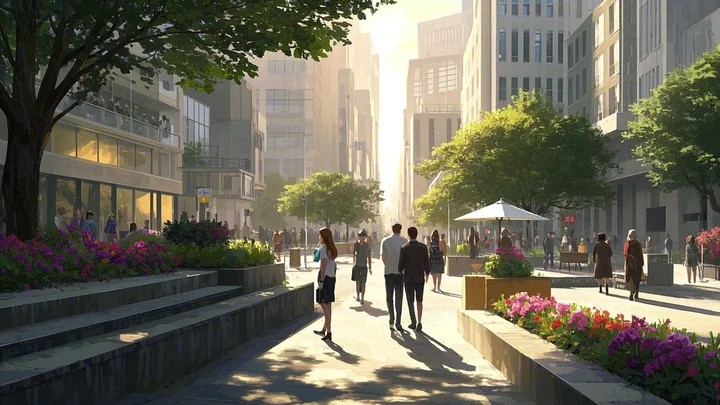
全国十大著名步行街之一,是上海开埠后最早建立的一条商业街。
这里是百货公司的聚集地,商品类目齐全,是购物者的天堂。
随处可见富有创意的城市雕塑,街中央还有大量椅子供游客小坐,文艺时尚气息十足。
南京路步行街上,可以看到像缩小版旧式电车的铛铛车穿梭往来,很有老上海的味道,不妨体验一下。
电话
021-51099782
用时参考
1-3小时
交通
乘坐都市观光旅游1线至南京路步行街公交站,步行约113米即可到达。
可搭乘37路/330路公交车至天津路福建中路(公交站)下车,步行可达。
门票
免费
开放时间
全天(1月1日-12月31日周一-周日)

景点位置
上海市黄浦区南京东路558号
8、陆家嘴
简介
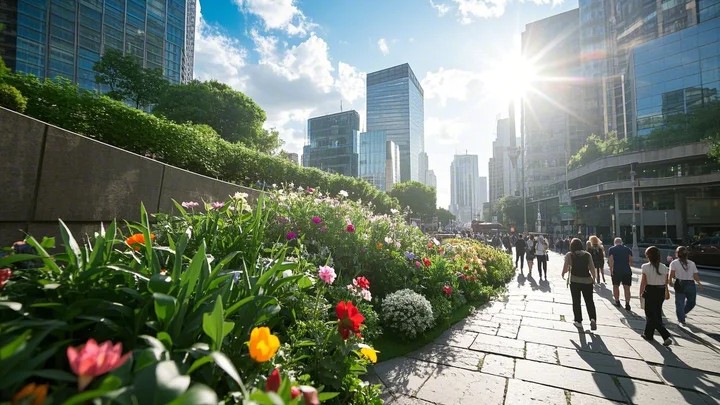
陆家嘴位于浦东新区的黄浦江畔,与外滩隔江相对,国内外首屈一指的金融商圈,现在已是上海最具魅力的地方。
汇集了东方明珠、上海国际会议中心、环球金融中心等高楼大厦,林立的摩天大楼让人仿佛置身于一片城市森林。
晚间,站在高楼大厦之上,俯瞰灯火辉煌的夜景,会更高感受到一线城市的现代感。
这里是时尚达人聚集的地方,各种国际大牌,购物的好去处。
电话
021-64406138;021-58875487
用时参考
3小时以上
交通
【地铁】可乘2号线至陆家嘴站下,步行可达。
【公交】可乘774路、779路、798路、81路、85路至陆家嘴地铁站下,步行可达。
门票
免费
开放时间
全天(01月01日-12月31日周一-周日)
景点位置
上海市浦东新区陆家嘴
9、1933老场坊
简介
是由宰牲场改造的一座别具特色的创意园区,经常举办话剧表演、时装秀等,属于艺术聚集地。
整个建筑融汇了东西方特色,外方内圆的建筑结构、纵横交错的廊桥,营造出迷宫一般的效果。
独具匠心的设计、令人惊叹的空间,这里还承接过法拉利F1派对、雷达表50周年庆等大型商业活动。
这里还是《小时代》的取景地,天气好的时候还能看到不少新人在这里拍摄婚纱照。

电话
021-68881933
用时参考
1-3小时
门票
免费
开放时间
07:00-22:00(1月1日-12月31日周一-周日)
tips:
具体开放时间以景区为准
景点位置
上海市虹口区溧阳路611号(近沙泾路)
10、中华艺术宫
简介
曾是上海世博会的中国国家馆,现有藏品8000余件,收藏了大量张聿光、吴冠中等著名画家的画作。
艺术宫的展厅主要位于0米层、5米层、33米层、41米层、49米层,推荐从上往下依次参观。
最有看点的是镇馆之宝——多媒体版《清明上河图》,位于49米层,但需另付门票才能观赏。
除此之外,还有皮影艺术展、近现代美术展、上海艺术家邀请展等多个展厅可供观赏。
电话
021-20252025;4009219021
用时参考

1-3小时
交通
公交:乘坐都市观光旅游3号线至中华艺术宫公交站下车,步行约129米即可到达;
地铁:乘坐8号线至中华艺术宫地铁站下车,步行约146米即可到达。
门票
免费
开放时间
10:00-18:00;停止入场时间:17:00(1月1日-12月31日周二-周日)不对外开放(1月1日-12月31日周一)
景点位置
上海市浦东新区上南路205号
上海的标志性建筑是什么
东方明珠。
东方明珠广播电视塔(The Oriental Pearl Radio& TV Tower)是上海的标志性文化景观之一,位于浦东新区陆家嘴,塔高约468米。该建筑于1991年7月兴建,1995年5月投入使用,承担上海6套无线电视发射业务,地区覆盖半径80公里。
东方明珠广播电视塔是国家首批AAAAA级旅游景区。塔内有太空舱、旋转餐厅、上海城市历史发展陈列馆等景观和设施,1995年被列入上海十大新景观之一。
2025年1月6日,入选2025上海新十大地标建筑。
扩展资料
东方明珠广播电视塔是多筒结构,主干是3根直径9米,高287米的空心擎天大柱,大柱间有6米高的横梁连结;在93米标高处,由3根直径7米的斜柱支撑着,斜柱与地面呈60°交角。该建筑有425根基桩入地12米,上千吨的3个钢结构圆球分别悬挂在塔身112米、295米和350米的高空,钢筋混凝土的建筑加3根近百米高的斜撑。
结构特征
电视塔有下、上、顶三个球体。顶球称太空厅,中心标高342米,球体直径16米,共有4层,依次是电梯机房、会议厅、观光层、管道层。上、下球体,根据不同受力特点,上球为悬挂结构,下球为预应力混凝土壳体。上球体直径45米,中心标高272.5米,共有9层,分别为公用设备层、调频机房、冷却设备层、发射机房、空中KTV包房、旋转餐厅、瞭望平台、微波机房、上球变配电间。
下球体直径50米,中心标高93米,共有4层,作为室内游乐场,下球变配电间设在碗状壳体内。三个垂直筒体由五道横梁加以联结,组成5个小球。每球直径约12米,设计为高空旅馆。从地面大台阶进入基层塔座,塔座直径158.4米,共3层,其中心部分直径为60米,2层高的空间为电视塔的大堂和电梯厅。
外围是3层塔座,布置近2万平方米的商场,一层外围是15米宽的地下环形车库和贵宾接待室。塔内共设有6台自动扶梯和6台高速电梯,整个塔座建筑覆盖在绿化屋面和环形车道下。
空心筒体加斜撑的结构方案,使电视塔的塔体具有良好的抗震、抗风性能,其设计抗震标准为“7级不动,8级不裂,9级不倒”。其中“风工程试验研究”和“地震工程试验研究”的课题,于1993年经专家鉴定,认为达到了国际先进水平。
版权声明
1.本站遵循行业规范,转载稿都会明确标注作者和来源;
2.本站原创文章,请转载时注明来源(上海景观的资料 上海景物介绍:https://www.theluxfarm.com/yuanlinjg/400640.html );
3.网络文章可能会经编辑修改或补充。